CR Chattanooga Pool RemovalChattanooga, TN
Chattanooga, TN

Pool Removal & Demolition in Chattanooga

Demolishing and filling in an in-ground pool. Either a partial fill-in, where the shell is broken up and buried in place, or a full removal, where everything comes out and the cavity is rebuilt with engineered fill.

We are still finalising the local company for this trade. Send your project and we will route it as soon as that is set.

Get a quote on your project

Tell us what you need. We pass it to the local company we work with, usually the same business day.

Give us a phone number or an email so someone can reach you. By sending this you agree we may share it with the local company that does this work so they can contact you about the project. We do not sell your information. Not for emergencies — call 911.

The short version

Pool Removal & Demolition, explained

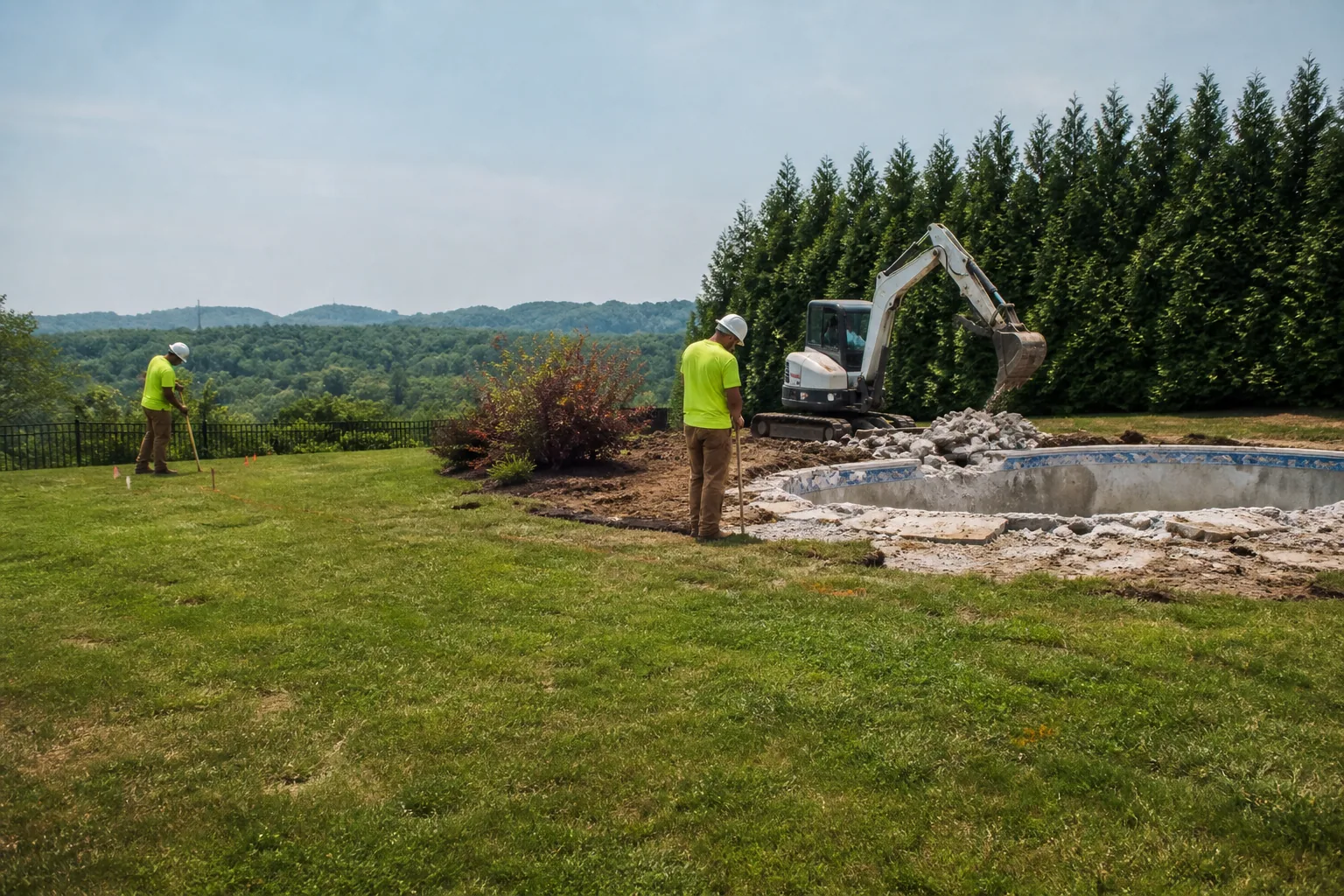
The choice between partial and full removal is the whole decision, and it is really a decision about what the ground has to do afterwards. A partial fill-in breaks drainage holes through the floor, demolishes the top two to three feet of wall, and buries the rest under rubble and fill. It is faster and roughly half the price. A full removal takes the entire shell out and replaces it with compacted engineered fill.

The consequence shows up years later. Ground over a partial fill-in can settle, and in most jurisdictions the fact that a pool was filled in must be disclosed when you sell. Crucially, you generally cannot build a structure over a partial fill-in, because the fill is not engineered to carry load. If there is any prospect of an addition, a garage, or a garden room on that footprint, full removal is the only version that keeps the option open.

Pool Removal & Demolition — typical work profile.

Permits and utility locate

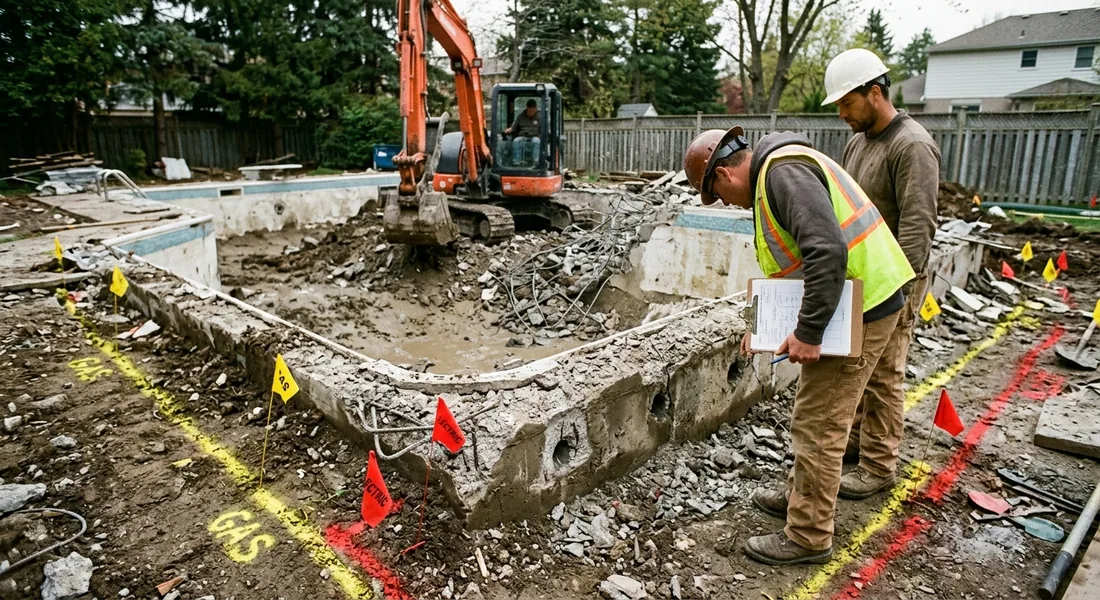
Most jurisdictions require a demolition permit and an inspection of the drainage holes before backfill. Gas, electric and water runs to the pool equipment have to be located and properly disconnected.

Draining and disposal

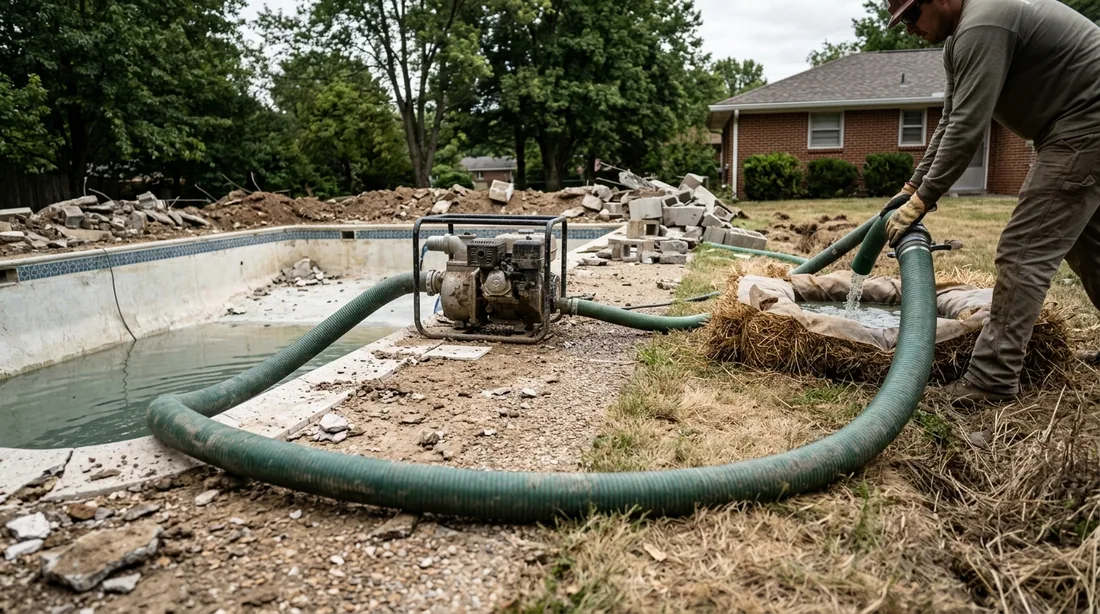
The pool is pumped down, and where the water is chemically treated it usually cannot simply go to the storm drain. Discharge routing is a real line item that gets overlooked in cheap quotes.

Demolition of the shell

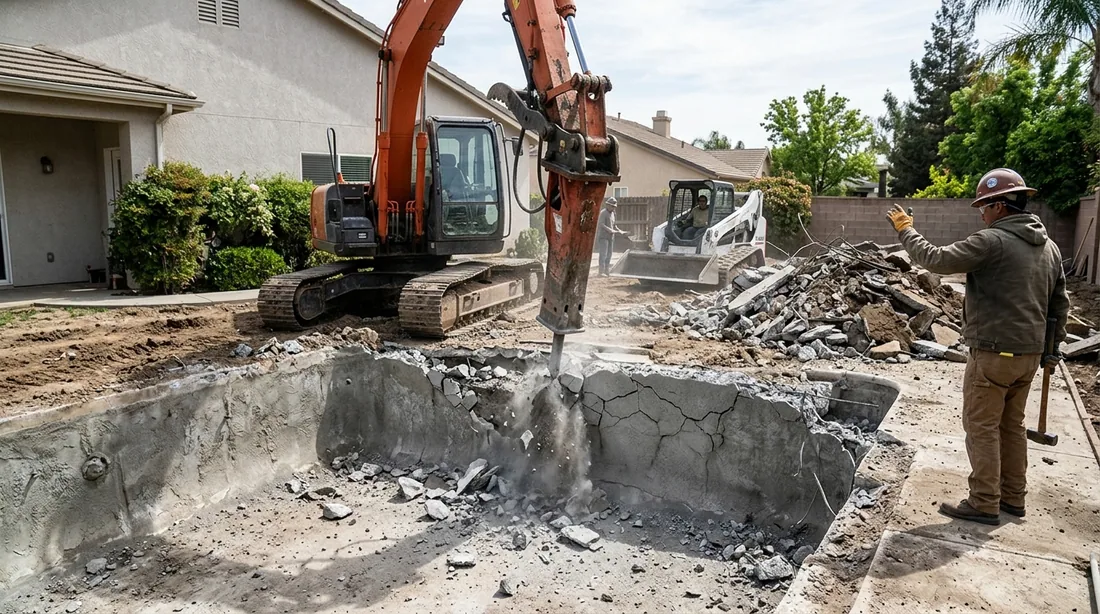
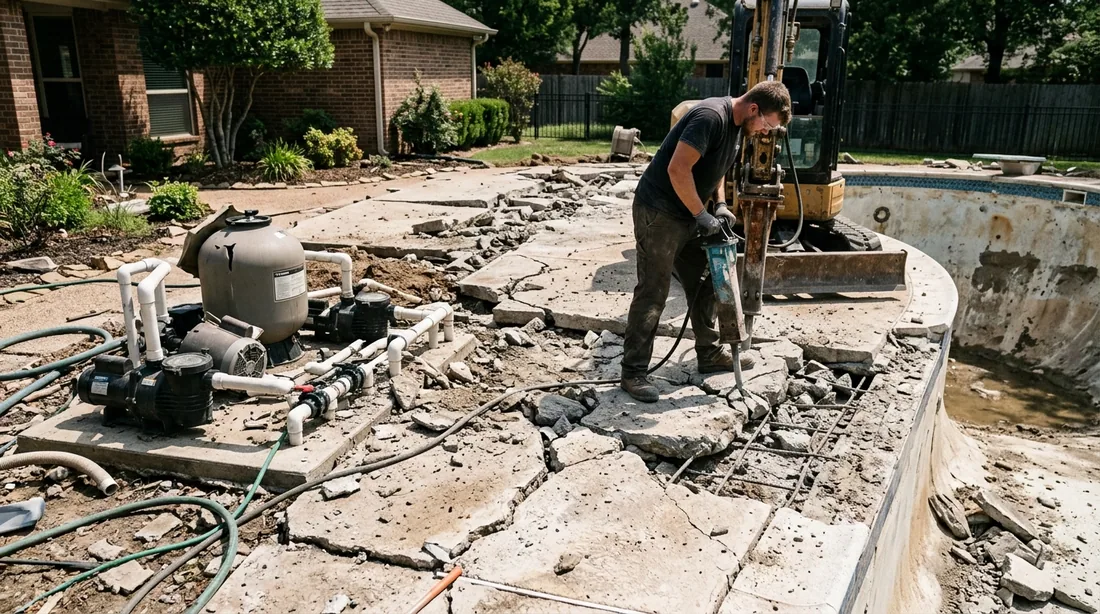
For a partial, the top courses come down and the floor is punctured for drainage. For a full removal, the entire gunite or fiberglass shell is broken out and hauled away.

Backfill and compaction

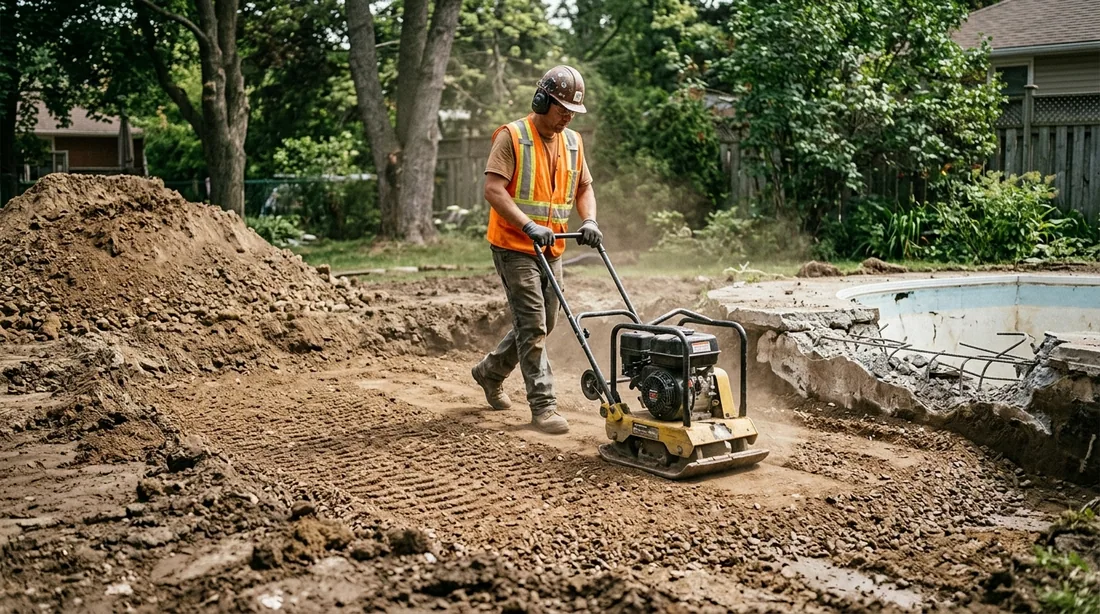
Fill is placed in lifts and mechanically compacted, rather than pushed in loose. This is the step that determines whether the yard sinks in three years, and it is where corners get cut.

Equipment and decking

Pumps, filters, heaters, the equipment pad, coping, and surrounding decking may or may not be included. Concrete decking around a pool is a significant additional volume of demolition.

Grading and restoration

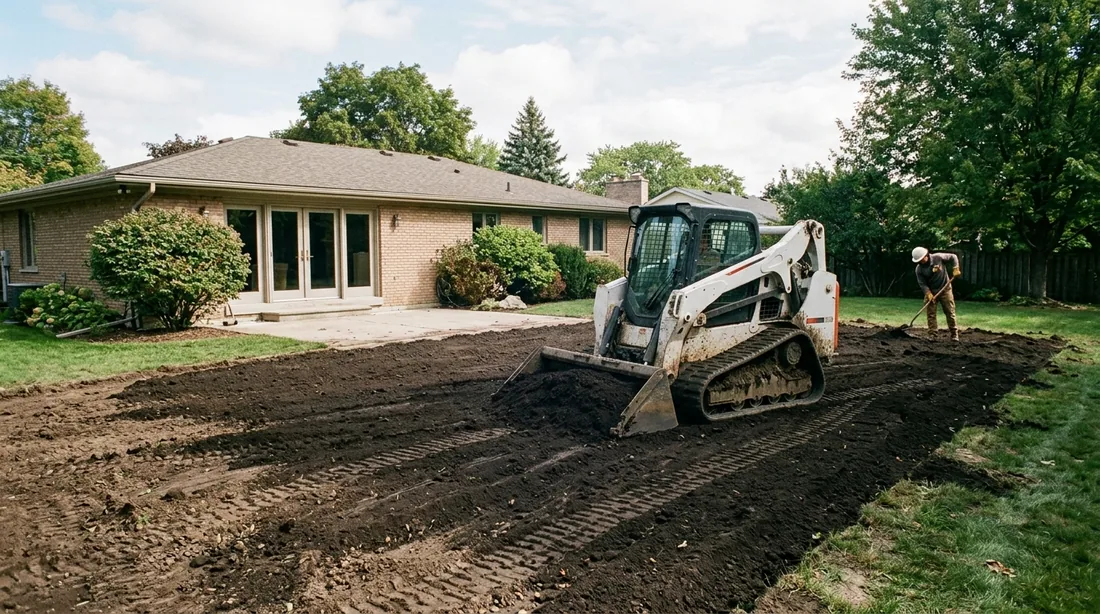
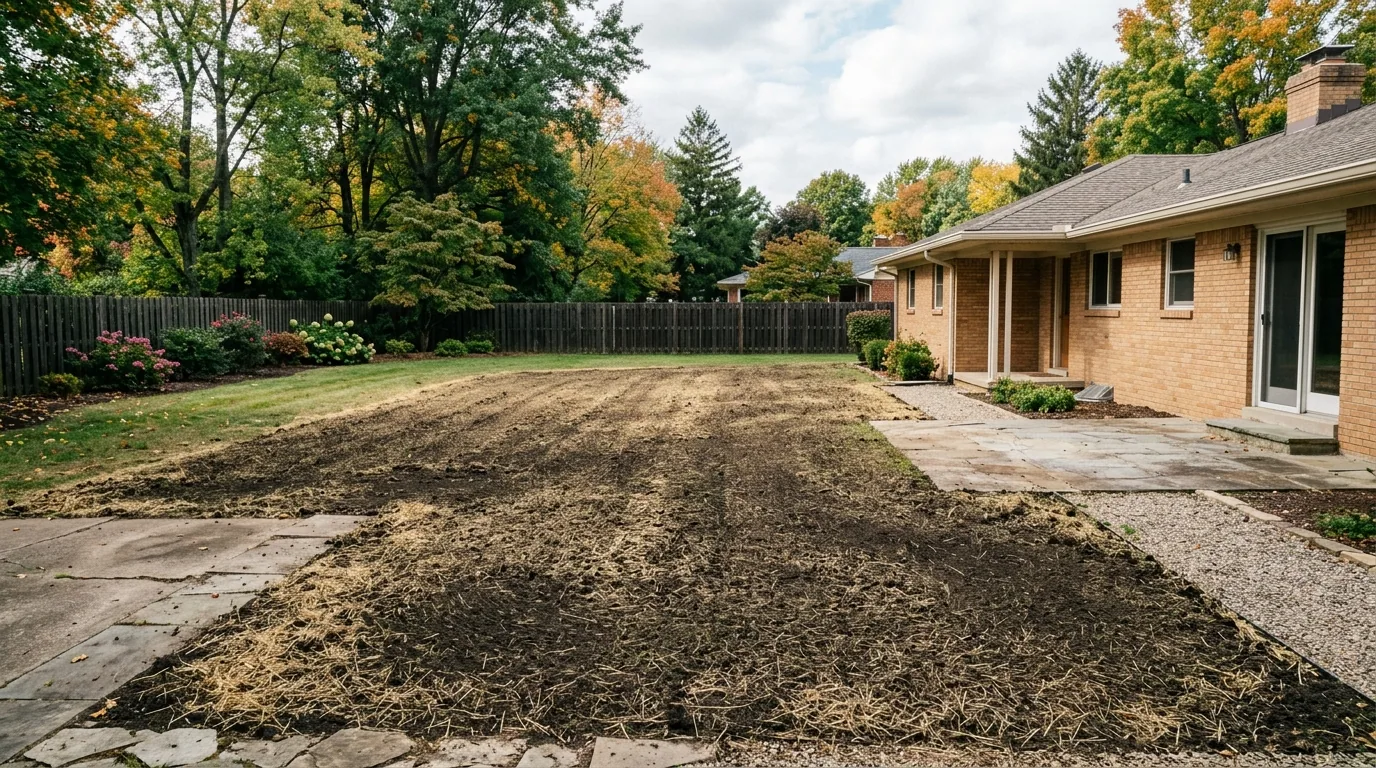
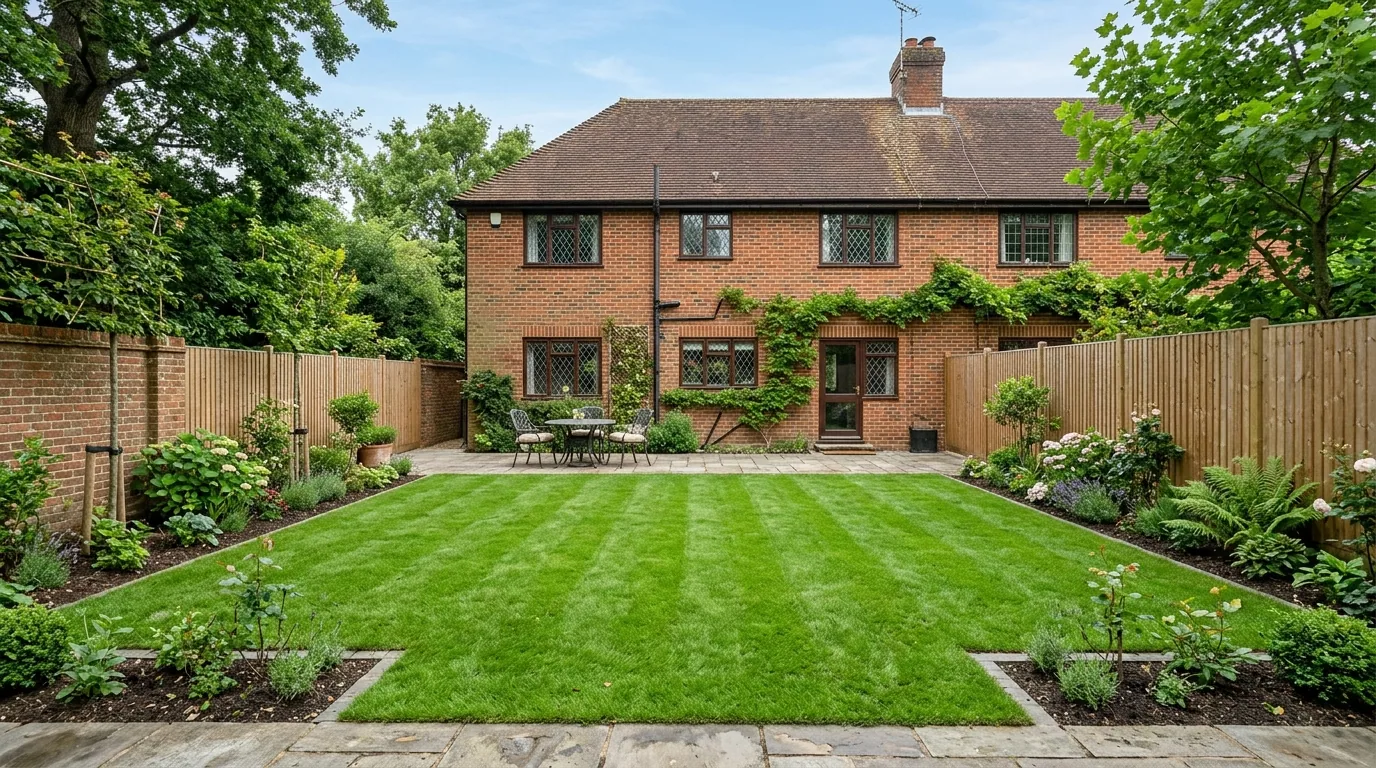
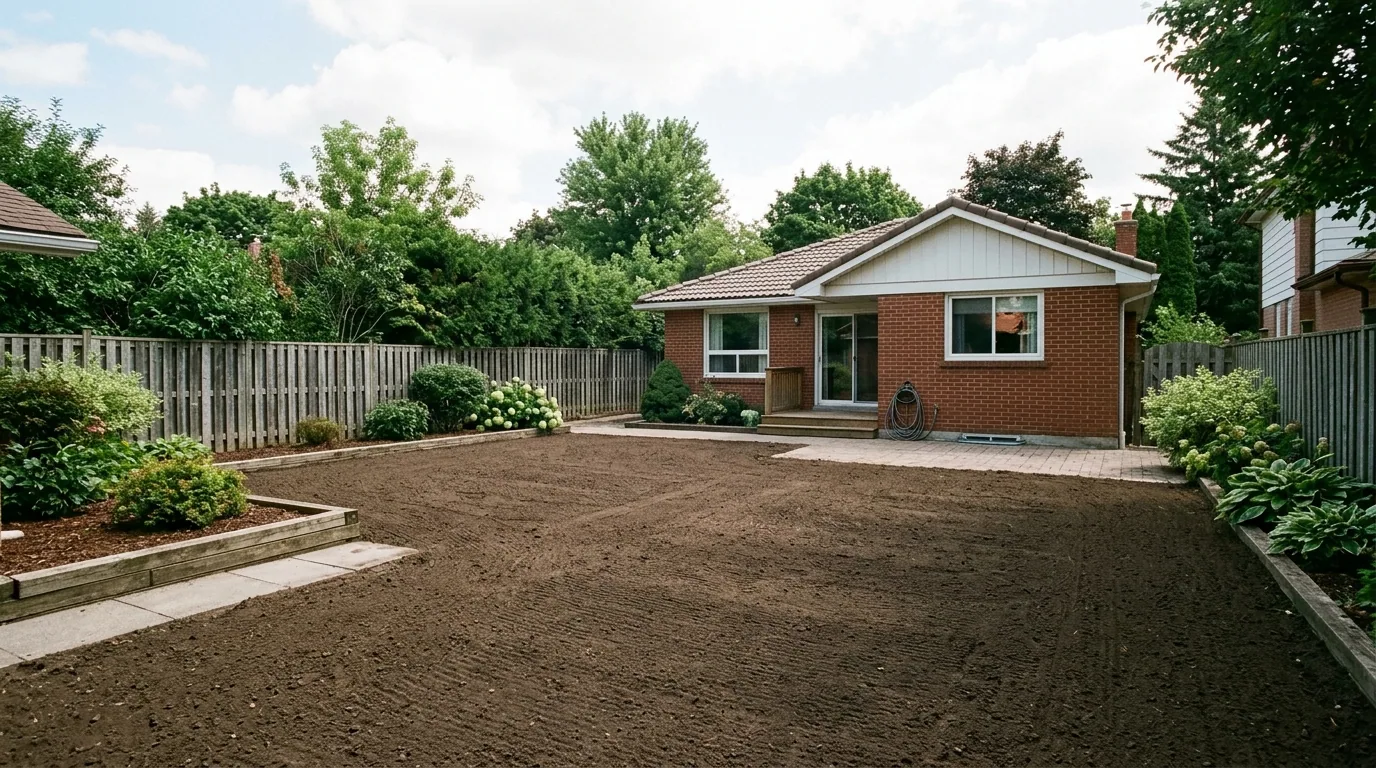
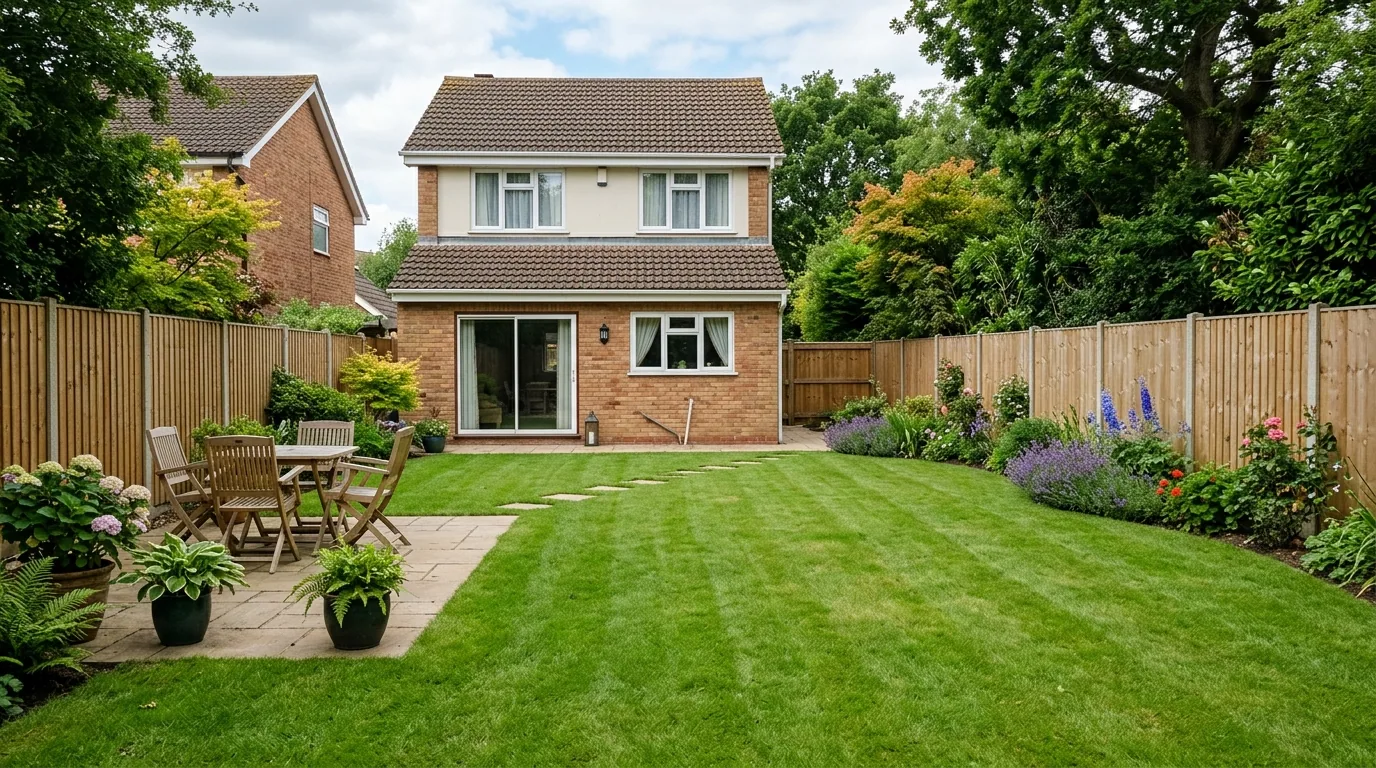
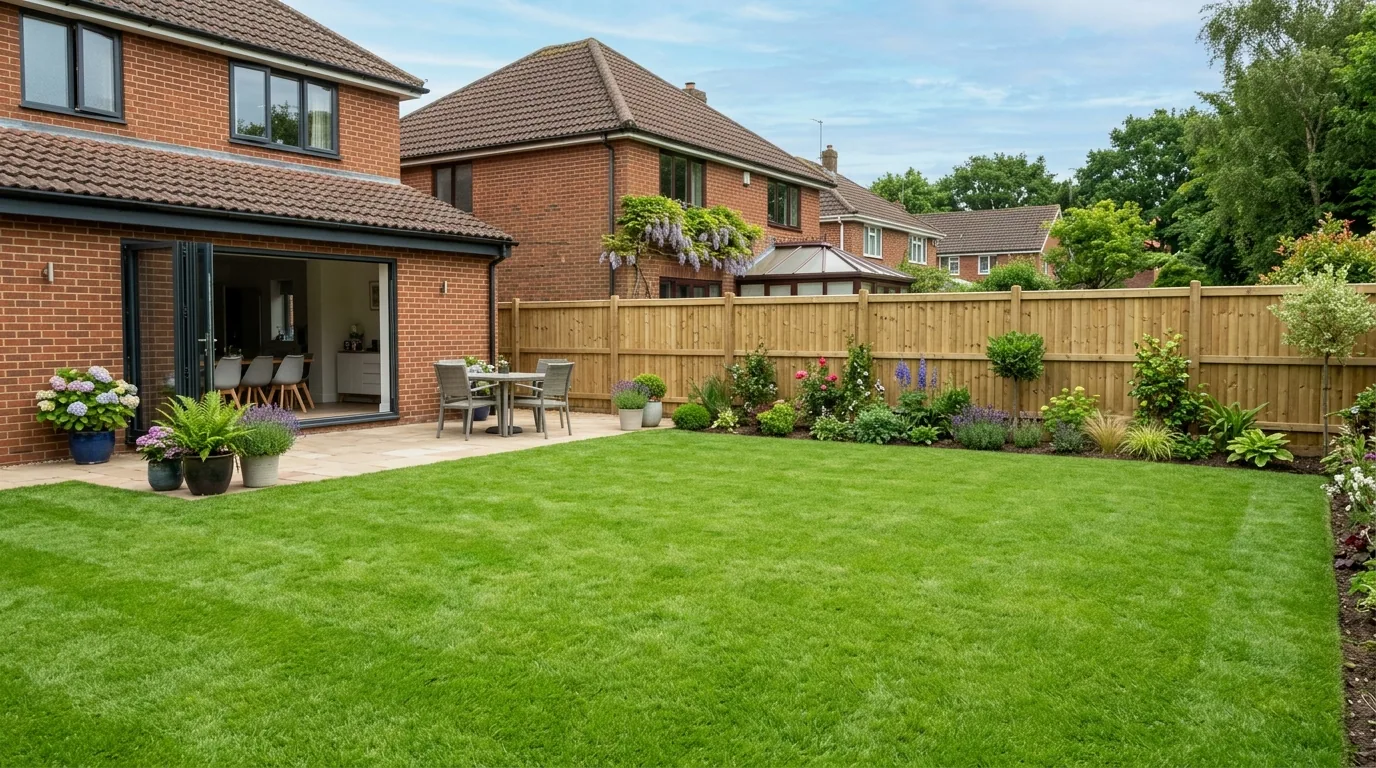
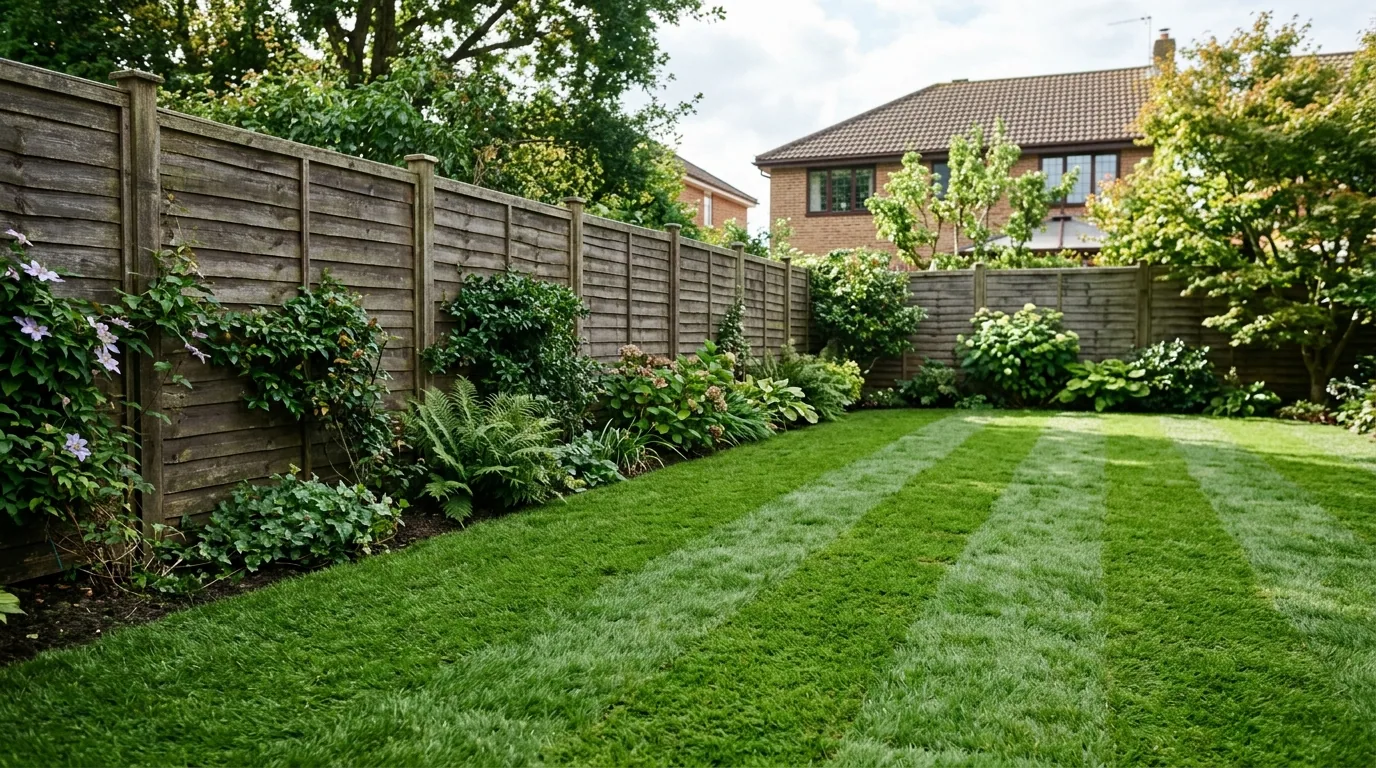
Final grade is shaped to drain away from the house and topsoil placed for planting. Seed or sod is often quoted separately, and the ground will need topping up as it settles.

Budgeting

What it costs

Partial fill-in runs roughly $2,500 to $10,000 and takes one to five days. Full removal runs $4,000 to $16,000 and takes longer. The gap between them is roughly a factor of two and buys you engineered fill you can eventually build on. Access is the wildcard: a narrow side yard that forces small machines or hand demolition can move the price more than pool size does.

$4,000$8,000$12,000$16,000Partial fill-in, vinyl or fiberglass$2,500–$7,000Partial fill-in, concrete or gunite$4,000–$10,000Full removal, vinyl or fiberglass$4,000–$12,000Full removal, concrete or gunite with decking$8,000–$16,000most projects land here
Typical ranges, per in-ground pool. The dot marks where most projects land; the bar is the full spread we found. These are planning figures, not a quote.
ScopeTypical rangeMost common
Partial fill-in, vinyl or fiberglass$2,500 – $7,000$4,500
Partial fill-in, concrete or gunite$4,000 – $10,000$6,500
Full removal, vinyl or fiberglass$4,000 – $12,000$8,000
Full removal, concrete or gunite with decking$8,000 – $16,000$12,000

Ranges compiled from Angi, HomeAdvisor, HomeGuide. Reviewed 2026-07-18.

Chattanooga specifics

What is different about this work in Chattanooga

Local climate and building stock change how this job is specified. These figures come from the Census Bureau and NOAA climate normals for Chattanooga.

  • With roughly 55.7 freeze-thaw cycles a year here, an abandoned or neglected shell deteriorates faster than owners expect, because water that gets into cracks in the gunite expands each cycle and widens them, which is one reason a pool left unused for several seasons often moves from repairable to removal.
  • Against a local median home value near $259,200, a full removal can represent a meaningful share of the property's worth, which is the main reason partial fill-in is the more common choice here unless you have a specific plan to build on the space.
  • In housing stock built around 1975, pools of that vintage frequently pre-date current setback and barrier codes, so it is worth asking the building department what applies before assuming a like-for-like replacement would even be permitted if you changed your mind.

More on local conditions →

Scoping

Do you actually need this done?

The most expensive mistake is paying for the wrong scope. Here is how the usual symptoms sort out.

What you are seeing, and what it usually meansYou may build onthe footprint laterFull removal withengineered fill isthe only optionPool leaks and theyard stays soggyShell is alreadyfailing; removalrather than repairOnly want the yardback, no structuresPartial fill-in isusually sufficientand much cheaperSelling within ayear or twoGet the permit andcompactionpaperwork; buyerswill ask
Common starting points. An on-site look is what settles it.

Process

How the job runs

  1. Site review and method decision

    Access is measured, shell construction identified, and the partial-versus-full decision made against what you intend to do with the space afterwards.

  2. Permits and disconnections

    The demolition permit is pulled, utilities to the pool equipment are located and disconnected properly, and the drainage inspection is scheduled into the sequence.

  3. Drain and demolish

    Water is pumped down and discharged appropriately, then the shell is broken up to the extent the chosen method requires. Rebar is cut and separated for recycling where present.

  4. Backfill in compacted lifts

    Fill goes in in layers, each compacted before the next. This is slow and unglamorous and is precisely what you are paying for. Ask to see it happening.

  5. Final grade and handover

    The surface is graded to shed water away from the house, topsoil placed, and documentation of the permit and any compaction testing handed over for your records.

Common questions

Questions people ask

What is the difference between partial and full pool removal?

A partial fill-in breaks drainage holes through the pool floor, demolishes the top two to three feet of the walls, and buries the remaining shell under rubble and fill. A full removal takes the entire shell out and hauls it away, replacing it with compacted engineered fill. Partial costs roughly half and is quicker; full is the only one that leaves ground you can build on.

Do I have to disclose a filled-in pool when I sell?

In most jurisdictions, yes. A filled pool is a material fact about the property and buyers, surveyors and lenders will want to know the method used and whether it was permitted. This is precisely why keeping the permit, the inspection record and any compaction report matters. Being able to hand those over turns an awkward question into a non-issue.

Will the ground sink where the pool was?

Some settlement is normal and expected, particularly in the first year or two as fill consolidates and rain works through it. Budget for topping up and re-levelling. What you should not accept is significant subsidence, which usually indicates the fill was placed loose rather than compacted in lifts, or that drainage holes were never cut.

Can I build a garage or extension over a filled pool?

Over a full removal with properly compacted engineered fill, generally yes, subject to your local building control and usually to a compaction report or engineer's sign-off. Over a partial fill-in, generally no. The buried rubble is not engineered to carry structural load, and no responsible engineer will certify a foundation over it without excavating it out first.

How long does pool removal take?

A partial fill-in on an accessible site is commonly one to five days. A full removal takes longer, frequently one to two weeks, because the shell has to be broken out and hauled and the fill imported and compacted in layers. Weather matters more than people expect, since neither demolition nor compaction goes well in saturated ground.

Full detail on how this work is done →

Next step

Get a real number for your project

Ranges only go so far. Someone has to look at the actual job.

What this site is

Chattanooga Pool Removal is a referral site, not a contractor. We do not hold a license, own a truck, or send a crew. We research pool removal pricing and practice, publish what we find, and hand your request to a vetted local company in Chattanooga.

That company quotes, schedules, and stands behind its own work, and it contracts with you directly. We do not mark up the price, and you pay us nothing.

Send your project details

Goes to the local company that does this work.

Give us a phone number or an email so someone can reach you. By sending this you agree we may share it with the local company that does this work so they can contact you about the project. We do not sell your information. Not for emergencies — call 911.

Request a quote